Powerflushing Explained: Is It Worth It for Your Central Heating System?
Discover how powerflushing works and whether it’s worth investing in to improve the efficiency and performance of your central heating system.
At a glance
If your heating system isn’t performing as well as it used to, powerflushing is often recommended as a solution. However, many homeowners are unsure what powerflushing involves, whether it’s necessary, or if it’s simply an added expense. Understanding when powerflushing is beneficial and when it isn’t can help you make an informed decision about your heating system.
At We Heat London, powerflushing is one of the most effective ways we restore heating performance in older or poorly maintained systems. When carried out at the right time, it can significantly improve efficiency, reliability and comfort.
What Is Powerflushing?
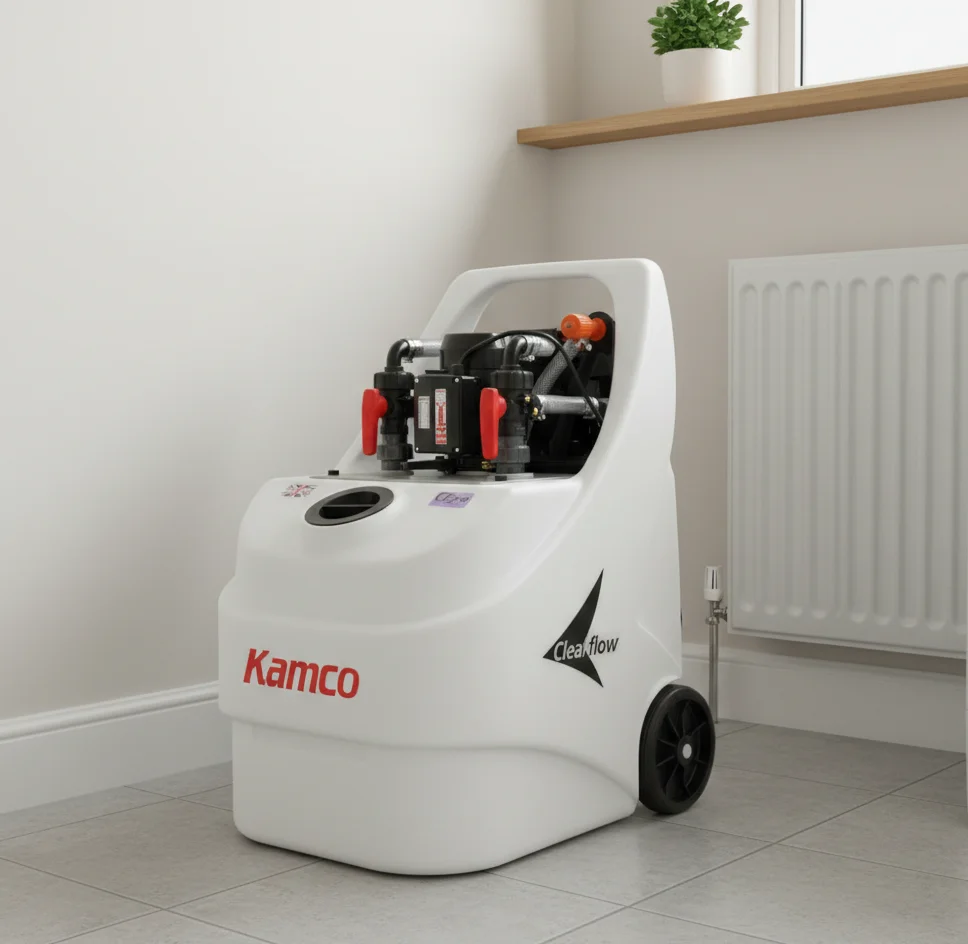
Powerflushing is a deep-cleaning process for central heating systems. It uses specialist equipment to circulate water and cleaning chemicals through your system at high velocity. This removes accumulated sludge, rust and debris from radiators, pipework and the boiler heat exchanger.
Over time, corrosion inside radiators and pipes creates magnetite sludge. This sludge restricts water flow, reduces heat transfer and places unnecessary strain on the boiler. Powerflushing removes these contaminants, allowing the system to operate as intended.
How Does Sludge Affect Heating Performance?
Sludge buildup gradually reduces heating efficiency. Radiators may develop cold spots, the boiler may take longer to heat water, and some rooms may never reach a comfortable temperature.
In severe cases, sludge can cause boilers to overheat and shut down as a safety measure. It can also damage internal components, leading to costly repairs or premature boiler failure.
Common Signs Your System May Need Powerflushing
While not every system requires powerflushing, certain symptoms strongly indicate internal buildup:
- Radiators that are cold at the bottom
- Uneven heating across rooms
- Noisy boiler, radiators or pipework
- Slow heating response times
- Frequent boiler faults or shutdowns
- Discoloured water when radiators are bled
If you notice one or more of these issues, a professional assessment can confirm whether powerflushing is appropriate.
The Benefits of Powerflushing
Improved Heating Efficiency
Removing sludge allows hot water to circulate freely, improving heat output from radiators and reducing boiler workload.
Reduced Energy Bills
When the system operates efficiently, it uses less energy to heat your home, helping lower heating costs.
Extended Boiler and System Lifespan
By reducing strain on components, powerflushing helps extend the life of both the boiler and the wider heating system.
Quieter Operation
Many homeowners notice a significant reduction in noise once sludge and debris are removed.
Protection for New Boilers
Powerflushing is often recommended before installing a new boiler, helping protect the investment and maintain warranty conditions.
When Powerflushing Is Most Effective
Powerflushing delivers the greatest benefits when a system shows clear signs of sludge buildup or before major upgrades such as boiler replacement. It’s particularly effective in systems that haven’t been cleaned for many years or where radiators were added without system flushing.
Is Powerflushing Always Necessary?
No. In some cases, powerflushing may not be required. Well-maintained systems with clean water and good circulation may not benefit significantly. Additionally, very old or fragile systems may require alternative solutions.
A professional assessment ensures powerflushing is recommended only when it offers genuine value.
How Long Does Powerflushing Take?
Most residential powerflushes are completed within one working day, depending on system size and condition. Larger properties or systems with severe buildup may take longer.
During the process, engineers flush each radiator individually to ensure thorough cleaning. Once completed, inhibitor chemicals are added to help prevent future corrosion.
Does Powerflushing Cause Disruption?
Powerflushing involves some noise from equipment, but disruption is generally minimal. Heating and hot water will be unavailable during the process, but normal service is usually restored the same day.
Experienced engineers take steps to protect flooring and furnishings throughout the work.
Powerflushing vs. System Replacement
In some cases, powerflushing can restore performance without the need for costly system replacement. However, if pipework or radiators are severely corroded, replacement may be the more effective long-term solution.
An honest assessment helps determine which option offers the best balance of cost, performance and longevity.
contact us
Powerflushing isn’t a one size fits all solution, but when used at the right time, it can dramatically improve heating performance and reliability. For homeowners experiencing cold radiators, noisy systems or frequent boiler issues, powerflushing is often a cost-effective alternative to major upgrades.
A clean, well maintained heating system not only improves comfort but also protects your boiler investment and reduces long term running costs. Ask us here at We Heat London about powerflushing your heating in Hammersmith, Kensington, Chelsea, Ealing, Barnet, Brent and the surrounding areas.
Related articles
What type of boiler do you currently have?

Combi Boiler

Regular Boiler

System Boiler

Back Boiler
At a glance
If your heating system isn’t performing as well as it used to, powerflushing is often recommended as a solution. However, many homeowners are unsure what powerflushing involves, whether it’s necessary, or if it’s simply an added expense. Understanding when powerflushing is beneficial and when it isn’t can help you make an informed decision about your heating system.
At We Heat London, powerflushing is one of the most effective ways we restore heating performance in older or poorly maintained systems. When carried out at the right time, it can significantly improve efficiency, reliability and comfort.
What Is Powerflushing?
Powerflushing is a deep-cleaning process for central heating systems. It uses specialist equipment to circulate water and cleaning chemicals through your system at high velocity. This removes accumulated sludge, rust and debris from radiators, pipework and the boiler heat exchanger.
Over time, corrosion inside radiators and pipes creates magnetite sludge. This sludge restricts water flow, reduces heat transfer and places unnecessary strain on the boiler. Powerflushing removes these contaminants, allowing the system to operate as intended.
How Does Sludge Affect Heating Performance?
Sludge buildup gradually reduces heating efficiency. Radiators may develop cold spots, the boiler may take longer to heat water, and some rooms may never reach a comfortable temperature.
In severe cases, sludge can cause boilers to overheat and shut down as a safety measure. It can also damage internal components, leading to costly repairs or premature boiler failure.
Common Signs Your System May Need Powerflushing
While not every system requires powerflushing, certain symptoms strongly indicate internal buildup:
- Radiators that are cold at the bottom
- Uneven heating across rooms
- Noisy boiler, radiators or pipework
- Slow heating response times
- Frequent boiler faults or shutdowns
- Discoloured water when radiators are bled
If you notice one or more of these issues, a professional assessment can confirm whether powerflushing is appropriate.
The Benefits of Powerflushing
Improved Heating Efficiency
Removing sludge allows hot water to circulate freely, improving heat output from radiators and reducing boiler workload.
Reduced Energy Bills
When the system operates efficiently, it uses less energy to heat your home, helping lower heating costs.
Extended Boiler and System Lifespan
By reducing strain on components, powerflushing helps extend the life of both the boiler and the wider heating system.
Quieter Operation
Many homeowners notice a significant reduction in noise once sludge and debris are removed.
Protection for New Boilers
Powerflushing is often recommended before installing a new boiler, helping protect the investment and maintain warranty conditions.
When Powerflushing Is Most Effective
Powerflushing delivers the greatest benefits when a system shows clear signs of sludge buildup or before major upgrades such as boiler replacement. It’s particularly effective in systems that haven’t been cleaned for many years or where radiators were added without system flushing.
Is Powerflushing Always Necessary?
No. In some cases, powerflushing may not be required. Well-maintained systems with clean water and good circulation may not benefit significantly. Additionally, very old or fragile systems may require alternative solutions.
A professional assessment ensures powerflushing is recommended only when it offers genuine value.
How Long Does Powerflushing Take?
Most residential powerflushes are completed within one working day, depending on system size and condition. Larger properties or systems with severe buildup may take longer.
During the process, engineers flush each radiator individually to ensure thorough cleaning. Once completed, inhibitor chemicals are added to help prevent future corrosion.
Does Powerflushing Cause Disruption?
Powerflushing involves some noise from equipment, but disruption is generally minimal. Heating and hot water will be unavailable during the process, but normal service is usually restored the same day.
Experienced engineers take steps to protect flooring and furnishings throughout the work.
Powerflushing vs. System Replacement
In some cases, powerflushing can restore performance without the need for costly system replacement. However, if pipework or radiators are severely corroded, replacement may be the more effective long-term solution.
An honest assessment helps determine which option offers the best balance of cost, performance and longevity.
contact us
Powerflushing isn’t a one size fits all solution, but when used at the right time, it can dramatically improve heating performance and reliability. For homeowners experiencing cold radiators, noisy systems or frequent boiler issues, powerflushing is often a cost-effective alternative to major upgrades.
A clean, well maintained heating system not only improves comfort but also protects your boiler investment and reduces long term running costs. Ask us here at We Heat London about powerflushing your heating in Hammersmith, Kensington, Chelsea, Ealing, Barnet, Brent and the surrounding areas.
Related articles
What type of boiler do you currently have?
Combi Boiler
Regular Boiler
System Boiler
Back Boiler