Is It Time to Replace Your Boiler? Key Signs London Homeowners Shouldn’t Ignore
Learn the key warning signs that indicate when London homeowners should consider replacing their boiler to avoid breakdowns and improve efficiency.

Why you can trust our content
We understand that the boiler industry can be confusing, with plenty of outdated or misleading information. That’s why we rely only on trusted, proven sources to guide our advice and installations:

At a glance
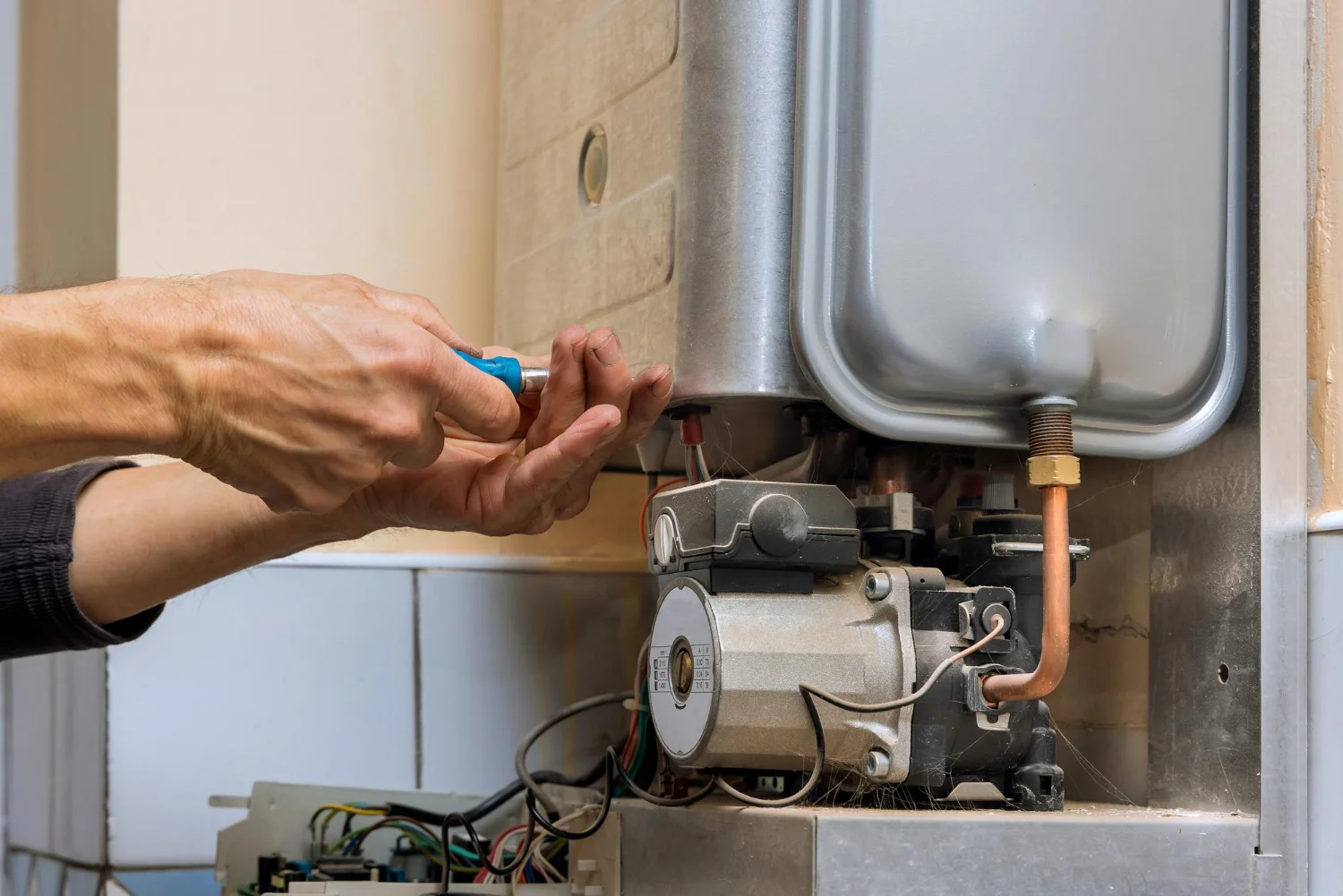
A boiler is one of the most important systems in your home, yet it’s often taken for granted until something goes wrong. Many homeowners continue repairing ageing boilers without realising that replacement would be the safer, more cost-effective option. Understanding when it’s time to upgrade can help you avoid sudden breakdowns, rising energy bills, and unnecessary stress.
At We Heat London, we regularly inspect boilers that have been pushed far beyond their most efficient working life. Below, we explore the clearest signs that it may be time to consider a replacement rather than another repair.
How Long Should a Boiler Last?
Most modern boilers are designed to last between 10 and 15 years when properly installed and serviced annually. While some systems may continue running beyond this point, efficiency typically declines year after year. Older boilers often operate at much lower efficiency levels compared to modern condensing models, meaning more energy is wasted to produce the same amount of heat.
If your boiler is approaching or beyond this age range, it’s worth considering replacement even if it’s still functioning.
What type of boiler do you currently have?

Combi Boiler

Regular Boiler

System Boiler

Back Boiler
It just takes 60 Seconds
And then you can book a free consultation
Warning Signs Your Boiler Is Near the End of Its Life
Frequent Breakdowns
Needing repairs more than once a year is a strong indication that internal components are wearing out. While individual fixes may seem affordable, repeated call-outs and parts replacement often exceed the cost of a new boiler over time.
Rising Energy Bills
If your heating bills continue to increase despite similar usage patterns, your boiler may be losing efficiency. Older boilers struggle to convert fuel into heat effectively, leading to higher running costs.
Unreliable Heating or Hot Water
Fluctuating water temperatures, radiators taking longer to heat up, or hot water running out quickly are all signs of declining boiler performance.
Strange Noises
Banging, kettling, whistling or gurgling sounds often indicate internal wear, scale buildup or sludge within the system. These issues typically worsen with age.
Difficulty Sourcing Replacement Parts
As boilers become obsolete, spare parts are harder to obtain and more expensive. When manufacturers stop producing components, repairs can become impractical.
The Benefits of Replacing an Old Boiler
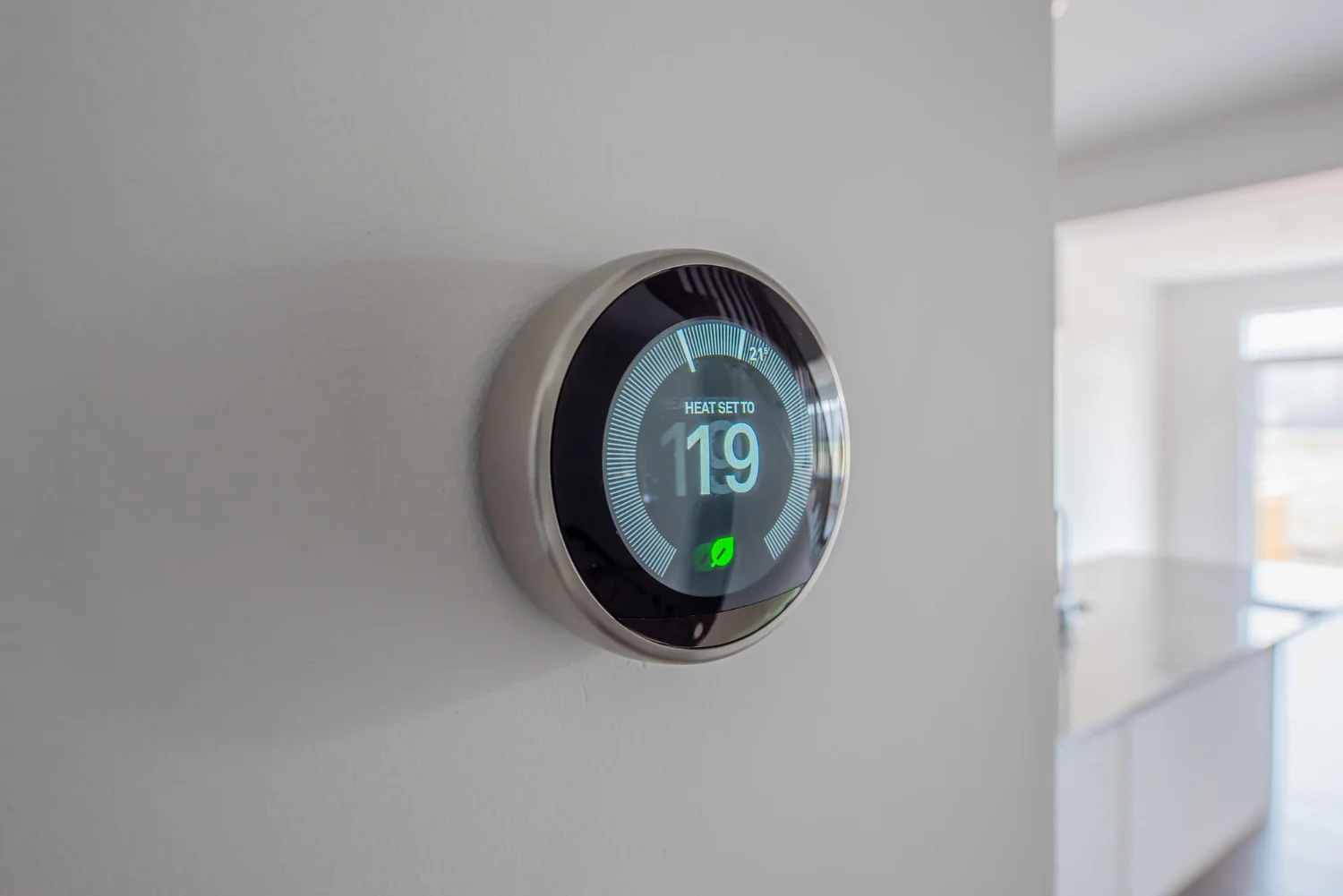
Installing a new boiler offers several advantages beyond reliability. Modern boilers are significantly more energy-efficient, quieter, and compatible with advanced heating controls such as smart thermostats. Many homeowners also notice improved comfort, more consistent heating, and better hot water pressure.
In addition, a new boiler can increase property appeal and reduce the likelihood of emergency callouts during colder months.
Choosing the Right Boiler for Your Home
Selecting the correct boiler depends on factors such as property size, number of bathrooms, and hot water demand. A professional assessment ensures the system is correctly sized and suitable for your existing pipework and heating layout.
contact us
Replacing an ageing boiler before it fails completely allows you to plan the upgrade, control costs, and avoid unexpected disruption. At We Heat London, we provide free quotes to replace boilers in Hammersmith, Kensington, Chelsea, Ealing, Barnet, Brent and the surrounding areas of the capital.
Get in touch so we can assess your heating system and suggest the right new boiler for your home.
Related articles
What type of boiler do you currently have?
Combi Boiler
Regular Boiler
System Boiler
Back Boiler
At a glance
A boiler is one of the most important systems in your home, yet it’s often taken for granted until something goes wrong. Many homeowners continue repairing ageing boilers without realising that replacement would be the safer, more cost-effective option. Understanding when it’s time to upgrade can help you avoid sudden breakdowns, rising energy bills, and unnecessary stress.
At We Heat London, we regularly inspect boilers that have been pushed far beyond their most efficient working life. Below, we explore the clearest signs that it may be time to consider a replacement rather than another repair.
How Long Should a Boiler Last?
Most modern boilers are designed to last between 10 and 15 years when properly installed and serviced annually. While some systems may continue running beyond this point, efficiency typically declines year after year. Older boilers often operate at much lower efficiency levels compared to modern condensing models, meaning more energy is wasted to produce the same amount of heat.
If your boiler is approaching or beyond this age range, it’s worth considering replacement even if it’s still functioning.
What type of boiler do you currently have?
Combi Boiler
Regular Boiler
System Boiler
Back Boiler
It just takes 60 Seconds
And then you can book a free consultation
Warning Signs Your Boiler Is Near the End of Its Life
Frequent Breakdowns
Needing repairs more than once a year is a strong indication that internal components are wearing out. While individual fixes may seem affordable, repeated call-outs and parts replacement often exceed the cost of a new boiler over time.
Rising Energy Bills
If your heating bills continue to increase despite similar usage patterns, your boiler may be losing efficiency. Older boilers struggle to convert fuel into heat effectively, leading to higher running costs.
Unreliable Heating or Hot Water
Fluctuating water temperatures, radiators taking longer to heat up, or hot water running out quickly are all signs of declining boiler performance.
Strange Noises
Banging, kettling, whistling or gurgling sounds often indicate internal wear, scale buildup or sludge within the system. These issues typically worsen with age.
Difficulty Sourcing Replacement Parts
As boilers become obsolete, spare parts are harder to obtain and more expensive. When manufacturers stop producing components, repairs can become impractical.
The Benefits of Replacing an Old Boiler
Installing a new boiler offers several advantages beyond reliability. Modern boilers are significantly more energy-efficient, quieter, and compatible with advanced heating controls such as smart thermostats. Many homeowners also notice improved comfort, more consistent heating, and better hot water pressure.
In addition, a new boiler can increase property appeal and reduce the likelihood of emergency callouts during colder months.
Choosing the Right Boiler for Your Home
Selecting the correct boiler depends on factors such as property size, number of bathrooms, and hot water demand. A professional assessment ensures the system is correctly sized and suitable for your existing pipework and heating layout.
contact us
Replacing an ageing boiler before it fails completely allows you to plan the upgrade, control costs, and avoid unexpected disruption. At We Heat London, we provide free quotes to replace boilers in Hammersmith, Kensington, Chelsea, Ealing, Barnet, Brent and the surrounding areas of the capital.
Get in touch so we can assess your heating system and suggest the right new boiler for your home.
Related articles
What type of boiler do you currently have?
Combi Boiler
Regular Boiler
System Boiler
Back Boiler