When Should You Replace Your Central Heating System?
Understand the key signs that indicate when it’s time to replace your central heating system to improve efficiency, comfort, and reliability at home.
At a glance
Many homeowners think of their boiler as the heart of their heating, but the wider central heating system plays just as important a role in comfort, efficiency and reliability. Over time, even a well-maintained boiler can struggle if it’s connected to ageing pipework, radiators or outdated controls.
Across London, we regularly see heating systems that technically still work, but no longer perform efficiently or reliably. Knowing when it’s time to replace your central heating system rather than continually repairing parts of it can save money, improve comfort and prevent unexpected breakdowns.
This guide explains how long central heating systems last, the warning signs that replacement may be needed, and what benefits a modern system can offer.
How Long Does a Central Heating System Last?
A typical central heating system has a lifespan of 15 to 20 years, depending on how well it’s been installed, maintained and used. While some systems continue operating beyond this time frame, efficiency and performance usually decline long before the system completely fails.
Older systems were designed for different energy standards and household demands. As homes change through extensions, loft conversions or increased hot water usage, older heating systems can struggle to keep up.
Signs Your Central Heating System May Need Replacing
Uneven Heating Throughout the Home
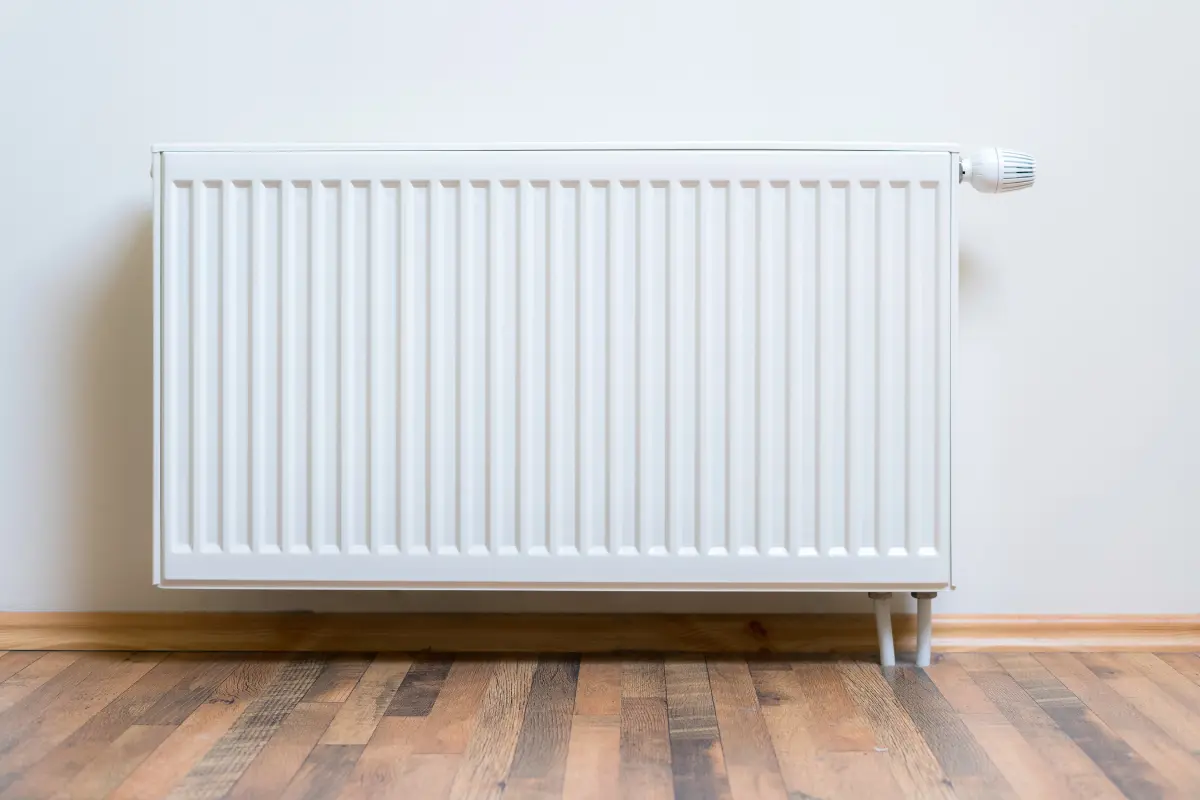
One of the most common signs of an ageing heating system is uneven warmth. Some radiators may heat fully while others remain lukewarm or cold, even after bleeding. This often points to circulation issues caused by sludge buildup, corroded pipework or poor system design.
Frequent Boiler and Radiator Problems
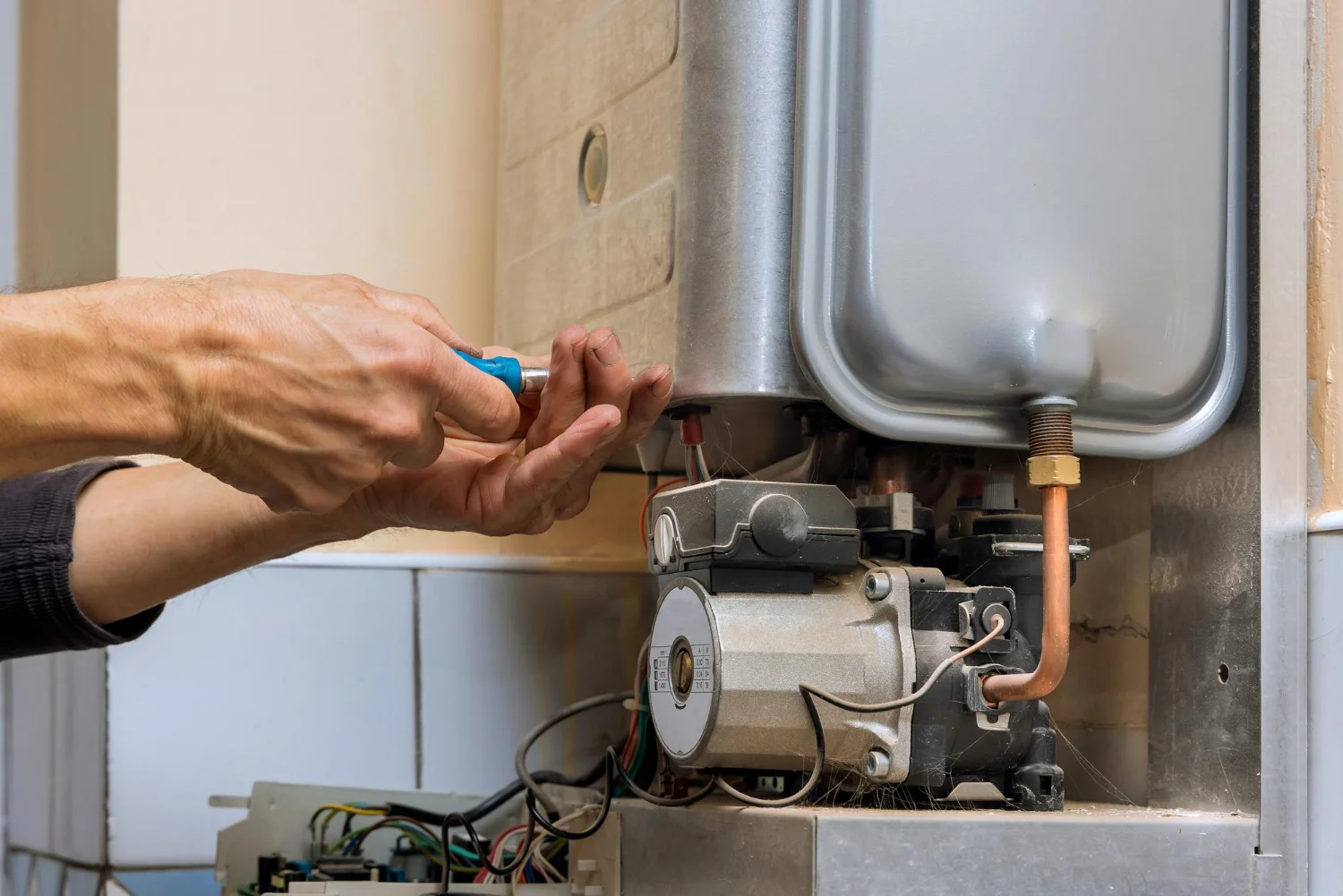
If you’re experiencing repeated boiler faults, radiator leaks or valve failures, the problem may not be isolated. Older systems place additional strain on boilers, causing them to break down more frequently.
Outdated Pipework and Radiators
Older pipework can corrode internally, reducing flow and heat transfer. Radiators installed decades ago may be undersized for modern living spaces, meaning rooms never reach a comfortable temperature.
Inefficient or Obsolete Heating Controls
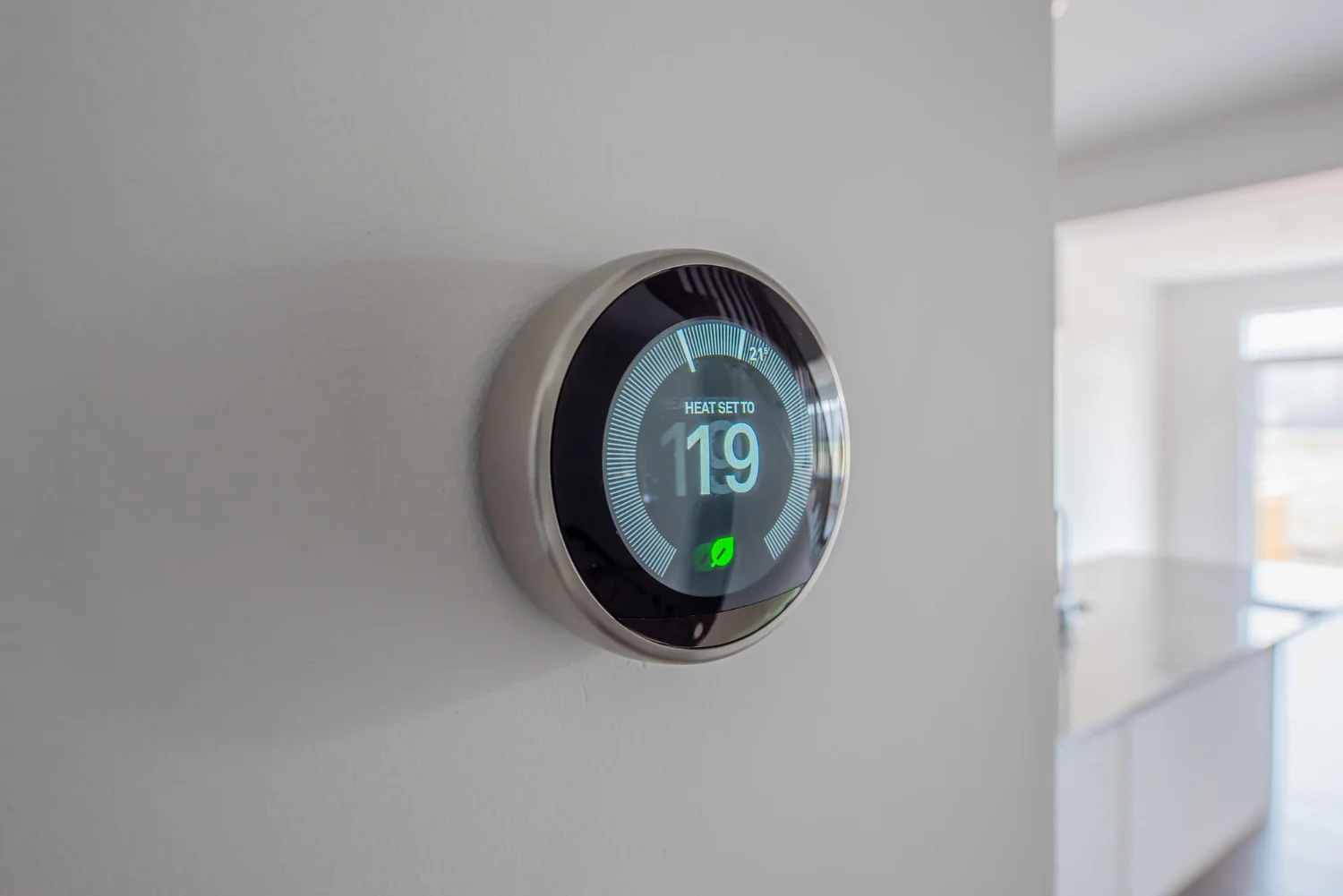
Many older systems rely on basic thermostats or manual controls that lack zoning or programmability. This leads to wasted energy, as rooms are heated unnecessarily or temperatures fluctuate throughout the day.
Rising Heating Bills
If your energy bills keep increasing despite similar usage, your central heating system may be operating inefficiently. Heat loss, poor circulation and outdated components all contribute to higher running costs.
Why Replacing the Entire Heating System Can Be the Right Choice
While individual repairs can extend system life in the short term, there comes a point where replacement offers better value and long-term reliability.
A new central heating system provides:
- Improved heat distribution across all rooms
- Increased energy efficiency and lower running costs
- Reduced likelihood of breakdowns
- Compatibility with modern boilers and smart controls
- Greater comfort and temperature control
Replacing the full system ensures that all components work together efficiently, rather than relying on a mix of old and new parts.
What’s Included in a Central Heating System Replacement?
A full replacement typically involves more than just swapping radiators. Depending on the property, it may include:
- New pipework designed for optimal circulation
- Modern radiators sized correctly for each room
- Upgraded thermostats and heating controls
- System flushing and commissioning
The result is a heating system tailored to your home’s layout and heating needs.
Is a Full Replacement Always Necessary?
Not always. In some cases, targeted upgrades can significantly improve performance. For example:
- Replacing old radiators
- Installing modern thermostatic radiator valves
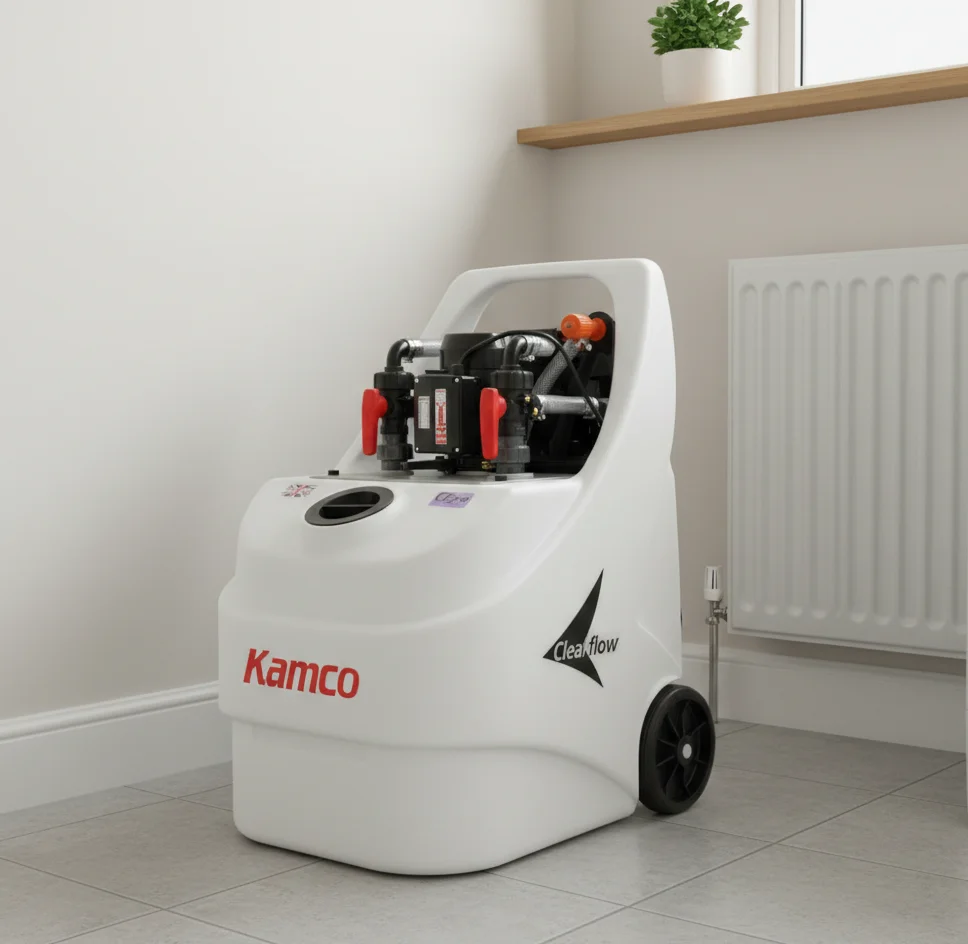
- Powerflushing to remove sludge
- Upgrading heating controls
A professional assessment is essential to determine whether these improvements are sufficient or whether full replacement would be more cost-effective long term.
How Disruptive Is Replacing a Central Heating System?
Understandably, homeowners often worry about disruption. While replacing a central heating system does involve work, most installations are completed within two to five days, depending on system size and property layout.
Experienced engineers plan the work carefully to minimise disruption, keeping your home clean and safe throughout the installation.
Energy Efficiency and Long-Term Savings
Modern central heating systems are designed to meet higher efficiency standards. Combined with an efficient boiler, they use less energy to heat your home evenly and consistently.
Over time, lower energy bills and reduced repair costs can offset the initial investment, making replacement a financially sound decision for many homeowners.
contact us
A failing central heating system doesn’t always stop working overnight, it often declines gradually, becoming less efficient, less reliable and more expensive to run. Recognising the signs early allows you to plan upgrades on your terms rather than facing emergency replacements.
Whether a full system replacement or targeted improvements are needed, professional advice ensures you choose the most effective solution for your home. A modern central heating system offers improved comfort, efficiency and peace of mind for years to come. Ask us about fitting a new central heating system in Hammersmith, Kensington, Chelsea, Ealing, Barnet, Brents and the surrounding areas of the capital. We provide free quotes and friendly advice.
Related articles
What type of boiler do you currently have?

Combi Boiler

Regular Boiler

System Boiler

Back Boiler
At a glance
Many homeowners think of their boiler as the heart of their heating, but the wider central heating system plays just as important a role in comfort, efficiency and reliability. Over time, even a well-maintained boiler can struggle if it’s connected to ageing pipework, radiators or outdated controls.
Across London, we regularly see heating systems that technically still work, but no longer perform efficiently or reliably. Knowing when it’s time to replace your central heating system rather than continually repairing parts of it can save money, improve comfort and prevent unexpected breakdowns.
This guide explains how long central heating systems last, the warning signs that replacement may be needed, and what benefits a modern system can offer.
How Long Does a Central Heating System Last?
A typical central heating system has a lifespan of 15 to 20 years, depending on how well it’s been installed, maintained and used. While some systems continue operating beyond this time frame, efficiency and performance usually decline long before the system completely fails.
Older systems were designed for different energy standards and household demands. As homes change through extensions, loft conversions or increased hot water usage, older heating systems can struggle to keep up.
Signs Your Central Heating System May Need Replacing
Uneven Heating Throughout the Home
One of the most common signs of an ageing heating system is uneven warmth. Some radiators may heat fully while others remain lukewarm or cold, even after bleeding. This often points to circulation issues caused by sludge buildup, corroded pipework or poor system design.
Frequent Boiler and Radiator Problems
If you’re experiencing repeated boiler faults, radiator leaks or valve failures, the problem may not be isolated. Older systems place additional strain on boilers, causing them to break down more frequently.
Outdated Pipework and Radiators
Older pipework can corrode internally, reducing flow and heat transfer. Radiators installed decades ago may be undersized for modern living spaces, meaning rooms never reach a comfortable temperature.
Inefficient or Obsolete Heating Controls
Many older systems rely on basic thermostats or manual controls that lack zoning or programmability. This leads to wasted energy, as rooms are heated unnecessarily or temperatures fluctuate throughout the day.
Rising Heating Bills
If your energy bills keep increasing despite similar usage, your central heating system may be operating inefficiently. Heat loss, poor circulation and outdated components all contribute to higher running costs.
Why Replacing the Entire Heating System Can Be the Right Choice
While individual repairs can extend system life in the short term, there comes a point where replacement offers better value and long-term reliability.
A new central heating system provides:
- Improved heat distribution across all rooms
- Increased energy efficiency and lower running costs
- Reduced likelihood of breakdowns
- Compatibility with modern boilers and smart controls
- Greater comfort and temperature control
Replacing the full system ensures that all components work together efficiently, rather than relying on a mix of old and new parts.
What’s Included in a Central Heating System Replacement?
A full replacement typically involves more than just swapping radiators. Depending on the property, it may include:
- New pipework designed for optimal circulation
- Modern radiators sized correctly for each room
- Upgraded thermostats and heating controls
- System flushing and commissioning
The result is a heating system tailored to your home’s layout and heating needs.
Is a Full Replacement Always Necessary?
Not always. In some cases, targeted upgrades can significantly improve performance. For example:
- Replacing old radiators
- Installing modern thermostatic radiator valves
- Powerflushing to remove sludge
- Upgrading heating controls
A professional assessment is essential to determine whether these improvements are sufficient or whether full replacement would be more cost-effective long term.
How Disruptive Is Replacing a Central Heating System?
Understandably, homeowners often worry about disruption. While replacing a central heating system does involve work, most installations are completed within two to five days, depending on system size and property layout.
Experienced engineers plan the work carefully to minimise disruption, keeping your home clean and safe throughout the installation.
Energy Efficiency and Long-Term Savings
Modern central heating systems are designed to meet higher efficiency standards. Combined with an efficient boiler, they use less energy to heat your home evenly and consistently.
Over time, lower energy bills and reduced repair costs can offset the initial investment, making replacement a financially sound decision for many homeowners.
contact us
A failing central heating system doesn’t always stop working overnight, it often declines gradually, becoming less efficient, less reliable and more expensive to run. Recognising the signs early allows you to plan upgrades on your terms rather than facing emergency replacements.
Whether a full system replacement or targeted improvements are needed, professional advice ensures you choose the most effective solution for your home. A modern central heating system offers improved comfort, efficiency and peace of mind for years to come. Ask us about fitting a new central heating system in Hammersmith, Kensington, Chelsea, Ealing, Barnet, Brents and the surrounding areas of the capital. We provide free quotes and friendly advice.
Related articles
What type of boiler do you currently have?
Combi Boiler
Regular Boiler
System Boiler
Back Boiler