How to Improve Boiler Efficiency and Reduce Heating Bills
Discover practical ways to improve your boiler’s efficiency and reduce heating bills with smarter controls, regular servicing, and simple upgrades.

Why you can trust our content
We understand that the boiler industry can be confusing, with plenty of outdated or misleading information. That’s why we rely only on trusted, proven sources to guide our advice and installations:

At a glance
With energy prices remaining high, boiler efficiency has become a major concern for homeowners across London. Your boiler plays a central role in how much energy your home uses, yet many people don’t realise how easily efficiency can drop over time. Even a modern boiler can waste energy if it isn’t maintained properly or used in the right way.
At We Heat London, we regularly help homeowners identify why their heating bills are higher than expected and what practical steps can be taken to improve boiler performance. In many cases, small changes and routine maintenance make a noticeable difference.
This guide explains what boiler efficiency really means, why it matters, and how you can reduce heating costs without sacrificing comfort.
What Does Boiler Efficiency Actually Mean?
Boiler efficiency refers to how effectively your boiler converts fuel into usable heat for your home. An efficient boiler uses less gas to produce the same level of warmth, while an inefficient one wastes energy during operation.
Older boilers typically operate at much lower efficiency levels than modern condensing models. However, efficiency isn’t only about age. Installation quality, system condition and how the boiler is used all play a role.
When efficiency drops, the boiler has to work harder to heat your home, leading to higher gas consumption, increased wear on components and rising energy bills.
Why Improving Boiler Efficiency Matters
Improving boiler efficiency offers several benefits beyond reducing monthly bills. A more efficient system experiences less strain, which can extend boiler lifespan and reduce the likelihood of breakdowns. It also helps lower carbon emissions, making your home more environmentally friendly.
From a comfort perspective, an efficient boiler provides more consistent heating and hot water, eliminating common issues such as uneven radiator temperatures or fluctuating water pressure.
Practical Ways to Improve Boiler Efficiency
1. Book Annual Boiler Servicing
One of the most effective ways to improve boiler efficiency is regular servicing. During a service, an engineer checks key components, cleans internal parts, and ensures the boiler is operating safely and correctly.
Minor issues such as worn seals, incorrect pressure or buildup inside the heat exchanger can all reduce efficiency if left unaddressed. Annual servicing helps identify and resolve these problems early, keeping the boiler running smoothly.
Regular servicing is also essential for maintaining manufacturer warranties and ensuring compliance with safety regulations.
2. Bleed Radiators and Balance the System
Air trapped in radiators prevents hot water from circulating properly, forcing the boiler to work harder to heat your home. Bleeding radiators removes this trapped air and restores full heat output.
Balancing the system is equally important. This involves adjusting radiator valves so heat is distributed evenly throughout the property. Without balancing, some rooms may overheat while others remain cold, wasting energy in the process.
What type of boiler do you currently have?

Combi Boiler

Regular Boiler

System Boiler

Back Boiler
It just takes 60 Seconds
And then you can book a free consultation
3. Use Heating Controls Correctly
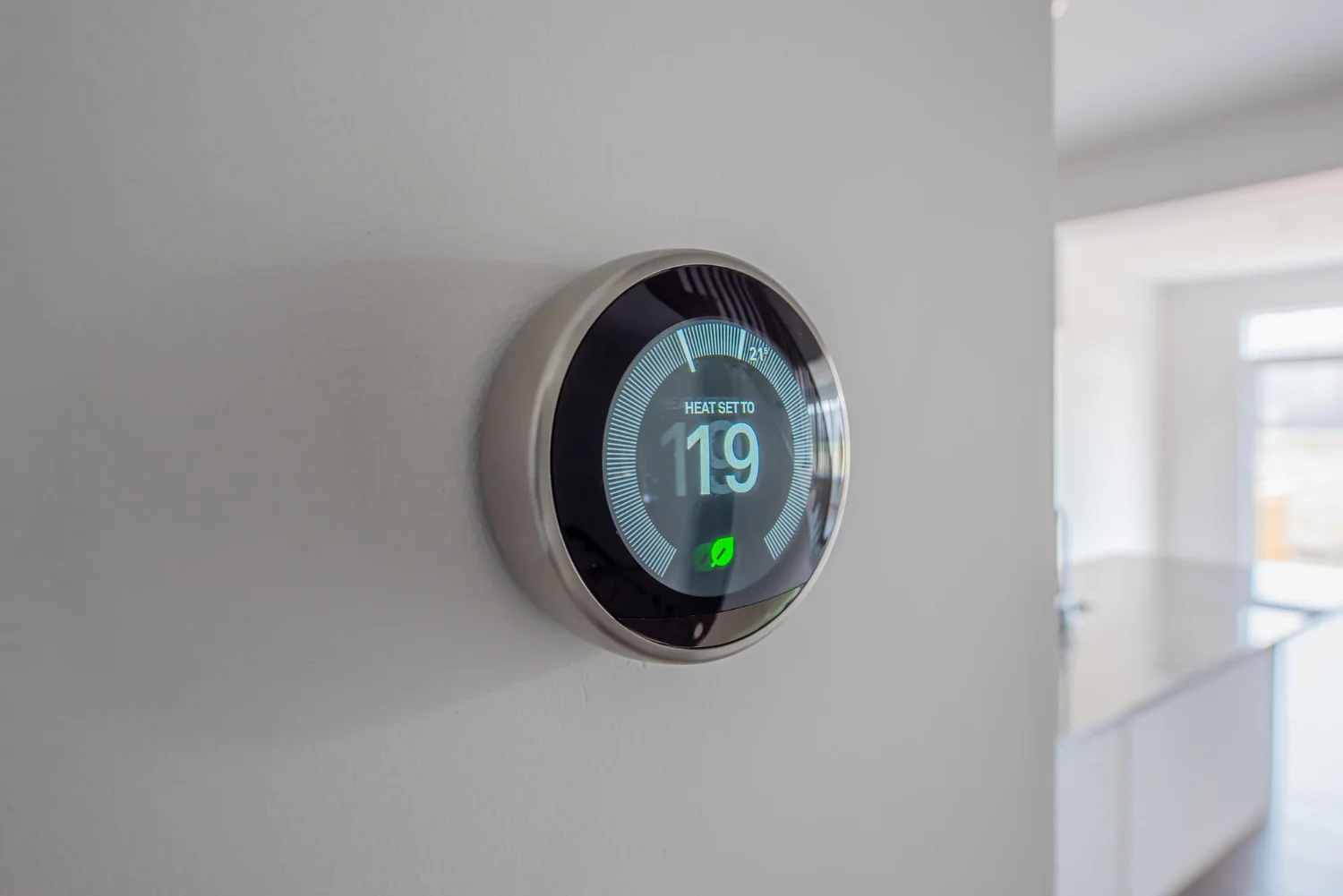
Modern heating controls are designed to improve efficiency, but only if they’re used properly. Timers, thermostats and smart controls allow you to heat your home when needed rather than continuously.
Lowering your thermostat by just one degree can reduce energy consumption without noticeably affecting comfort. Using programmable schedules ensures the boiler isn’t running unnecessarily when the home is unoccupied.
Smart thermostats offer even greater control, learning your routines and adjusting heating automatically to maximise efficiency.
4. Consider Powerflushing Your Heating System
Over time, sludge, rust and debris can build up inside radiators and pipework. This restricts water flow and reduces heat transfer, forcing the boiler to work harder to maintain temperature.
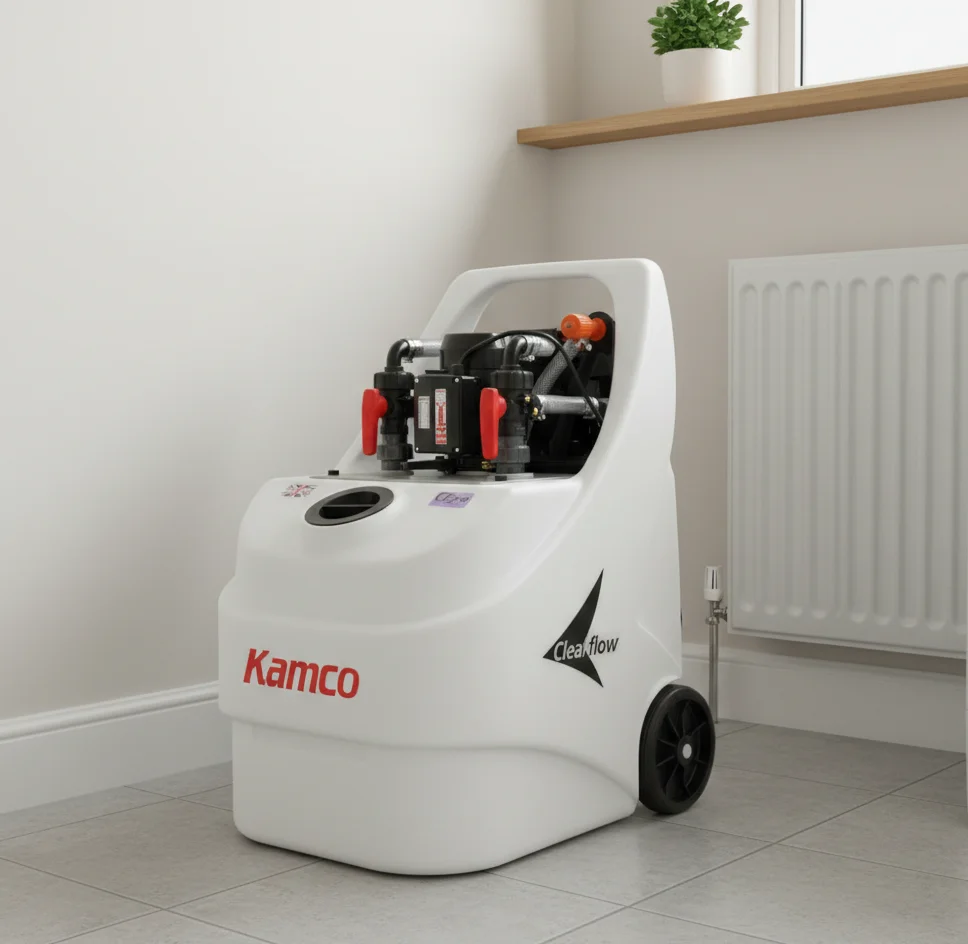
Powerflushing removes this buildup using specialist equipment, restoring circulation and improving overall system efficiency. It’s particularly beneficial if radiators have cold spots, the system is noisy, or the boiler frequently shuts down due to overheating.
Powerflushing is often recommended before installing a new boiler, as it helps protect the new system and maintain efficiency from day one.
5. Check Boiler Pressure and Settings
Incorrect boiler pressure can reduce efficiency and cause performance issues. Pressure that is too low may prevent the system from heating properly, while pressure that is too high can strain components.
Your boiler’s operating pressure should sit within the manufacturer’s recommended range. Checking this periodically and adjusting it when necessary can help maintain efficient operation.
6. Upgrade an Inefficient Boiler
If your boiler is more than 10–15 years old, efficiency improvements may be limited no matter how well it’s maintained. Older models lack modern condensing technology and advanced controls, meaning they waste a significant amount of energy.
Upgrading to a modern, energy-efficient boiler can dramatically reduce gas usage and heating bills. New boilers are quieter, more reliable and compatible with smart controls, offering both short-term and long-term benefits.
Long-Term Improvements That Support Boiler Efficiency
Boiler efficiency is closely linked to the wider heating system. Improving insulation, upgrading radiators and replacing outdated pipework all help reduce heat loss and improve performance.
Modern thermostatic radiator valves allow individual room temperature control, preventing unnecessary heating in unused spaces. Combined with a well-maintained boiler, these upgrades create a more responsive and economical heating system.
contact us
Improving boiler efficiency doesn’t always require major upgrades or replacements. Regular servicing, correct system setup and thoughtful use of heating controls can all make a noticeable difference to performance and running costs.
For homeowners with older or inefficient systems, professional advice can help identify whether maintenance, powerflushing or boiler replacement is the most cost-effective solution. A well-optimised boiler not only reduces energy bills but also provides greater comfort, reliability and peace of mind.
Related articles
What type of boiler do you currently have?
Combi Boiler
Regular Boiler
System Boiler
Back Boiler
At a glance
With energy prices remaining high, boiler efficiency has become a major concern for homeowners across London. Your boiler plays a central role in how much energy your home uses, yet many people don’t realise how easily efficiency can drop over time. Even a modern boiler can waste energy if it isn’t maintained properly or used in the right way.
At We Heat London, we regularly help homeowners identify why their heating bills are higher than expected and what practical steps can be taken to improve boiler performance. In many cases, small changes and routine maintenance make a noticeable difference.
This guide explains what boiler efficiency really means, why it matters, and how you can reduce heating costs without sacrificing comfort.
What Does Boiler Efficiency Actually Mean?
Boiler efficiency refers to how effectively your boiler converts fuel into usable heat for your home. An efficient boiler uses less gas to produce the same level of warmth, while an inefficient one wastes energy during operation.
Older boilers typically operate at much lower efficiency levels than modern condensing models. However, efficiency isn’t only about age. Installation quality, system condition and how the boiler is used all play a role.
When efficiency drops, the boiler has to work harder to heat your home, leading to higher gas consumption, increased wear on components and rising energy bills.
Why Improving Boiler Efficiency Matters
Improving boiler efficiency offers several benefits beyond reducing monthly bills. A more efficient system experiences less strain, which can extend boiler lifespan and reduce the likelihood of breakdowns. It also helps lower carbon emissions, making your home more environmentally friendly.
From a comfort perspective, an efficient boiler provides more consistent heating and hot water, eliminating common issues such as uneven radiator temperatures or fluctuating water pressure.
Practical Ways to Improve Boiler Efficiency
1. Book Annual Boiler Servicing
One of the most effective ways to improve boiler efficiency is regular servicing. During a service, an engineer checks key components, cleans internal parts, and ensures the boiler is operating safely and correctly.
Minor issues such as worn seals, incorrect pressure or buildup inside the heat exchanger can all reduce efficiency if left unaddressed. Annual servicing helps identify and resolve these problems early, keeping the boiler running smoothly.
Regular servicing is also essential for maintaining manufacturer warranties and ensuring compliance with safety regulations.
2. Bleed Radiators and Balance the System
Air trapped in radiators prevents hot water from circulating properly, forcing the boiler to work harder to heat your home. Bleeding radiators removes this trapped air and restores full heat output.
Balancing the system is equally important. This involves adjusting radiator valves so heat is distributed evenly throughout the property. Without balancing, some rooms may overheat while others remain cold, wasting energy in the process.
What type of boiler do you currently have?
Combi Boiler
Regular Boiler
System Boiler
Back Boiler
It just takes 60 Seconds
And then you can book a free consultation
3. Use Heating Controls Correctly
Modern heating controls are designed to improve efficiency, but only if they’re used properly. Timers, thermostats and smart controls allow you to heat your home when needed rather than continuously.
Lowering your thermostat by just one degree can reduce energy consumption without noticeably affecting comfort. Using programmable schedules ensures the boiler isn’t running unnecessarily when the home is unoccupied.
Smart thermostats offer even greater control, learning your routines and adjusting heating automatically to maximise efficiency.
4. Consider Powerflushing Your Heating System
Over time, sludge, rust and debris can build up inside radiators and pipework. This restricts water flow and reduces heat transfer, forcing the boiler to work harder to maintain temperature.
Powerflushing removes this buildup using specialist equipment, restoring circulation and improving overall system efficiency. It’s particularly beneficial if radiators have cold spots, the system is noisy, or the boiler frequently shuts down due to overheating.
Powerflushing is often recommended before installing a new boiler, as it helps protect the new system and maintain efficiency from day one.
5. Check Boiler Pressure and Settings
Incorrect boiler pressure can reduce efficiency and cause performance issues. Pressure that is too low may prevent the system from heating properly, while pressure that is too high can strain components.
Your boiler’s operating pressure should sit within the manufacturer’s recommended range. Checking this periodically and adjusting it when necessary can help maintain efficient operation.
6. Upgrade an Inefficient Boiler
If your boiler is more than 10–15 years old, efficiency improvements may be limited no matter how well it’s maintained. Older models lack modern condensing technology and advanced controls, meaning they waste a significant amount of energy.
Upgrading to a modern, energy-efficient boiler can dramatically reduce gas usage and heating bills. New boilers are quieter, more reliable and compatible with smart controls, offering both short-term and long-term benefits.
Long-Term Improvements That Support Boiler Efficiency
Boiler efficiency is closely linked to the wider heating system. Improving insulation, upgrading radiators and replacing outdated pipework all help reduce heat loss and improve performance.
Modern thermostatic radiator valves allow individual room temperature control, preventing unnecessary heating in unused spaces. Combined with a well-maintained boiler, these upgrades create a more responsive and economical heating system.
contact us
Improving boiler efficiency doesn’t always require major upgrades or replacements. Regular servicing, correct system setup and thoughtful use of heating controls can all make a noticeable difference to performance and running costs.
For homeowners with older or inefficient systems, professional advice can help identify whether maintenance, powerflushing or boiler replacement is the most cost-effective solution. A well-optimised boiler not only reduces energy bills but also provides greater comfort, reliability and peace of mind.
Related articles
What type of boiler do you currently have?
Combi Boiler
Regular Boiler
System Boiler
Back Boiler